HERBS AND AFRICAN HEALING METHODOLOGIES.
Feb 9, 2026
HERBS AND AFRICAN HEALING METHODOLOGIES.
Venue: Corner Baridi, Kiserian Area, Kajiado County
Date: 14 October 2025.
Facilitators: Noosim Naimasiah & Marley
Guest Teacher: Kaingi (Herbalist)
ACKNOWLEDGEMENTS.
This activity was organized by Enćani, whose ongoing commitment to wellness, education, and movement-building continues to sustain grassroots activism and collective care initiatives across social justice centers. Special appreciation is extended to the members of the Ngong Social Justice Centre and to the Maasai hosts from the Corner Baridi community, whose generosity, stewardship of the land, and warm hospitality made this gathering possible.
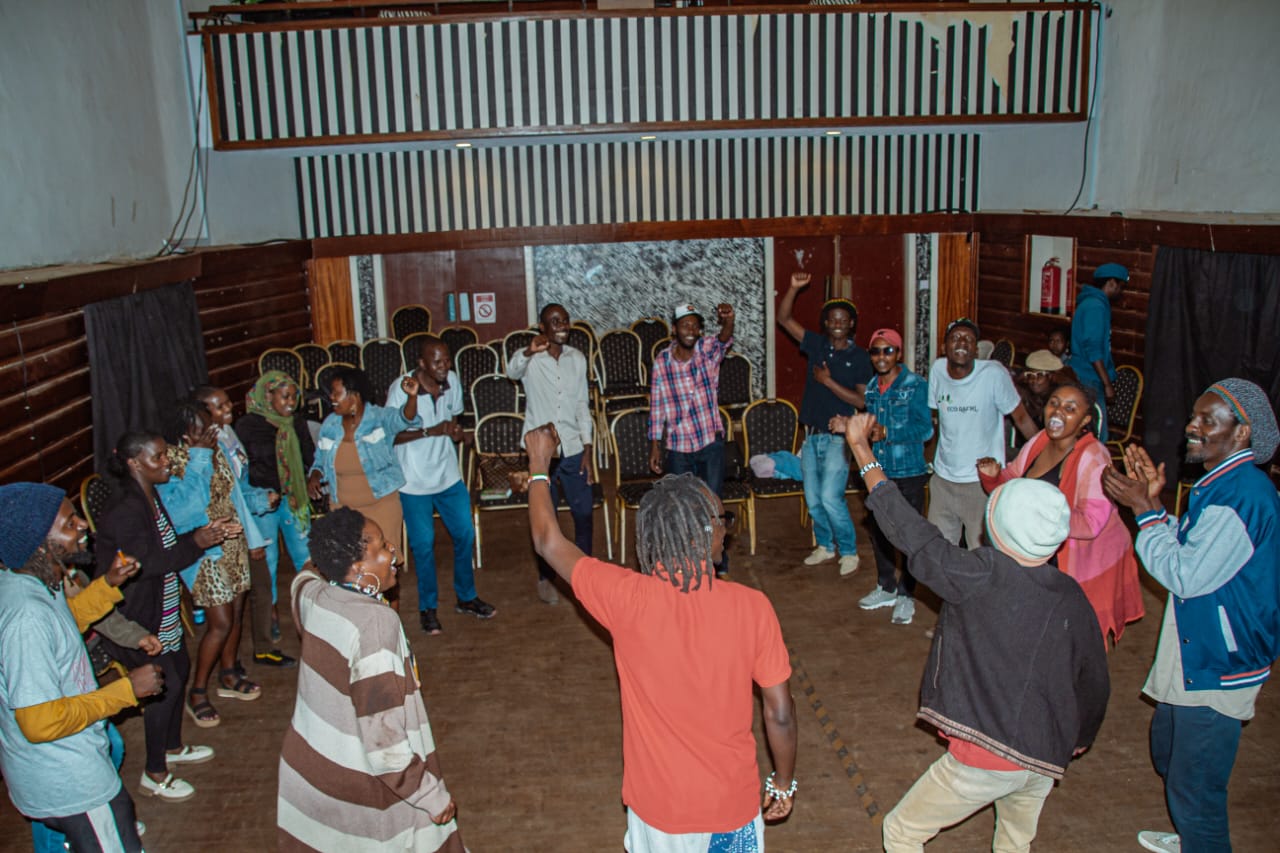
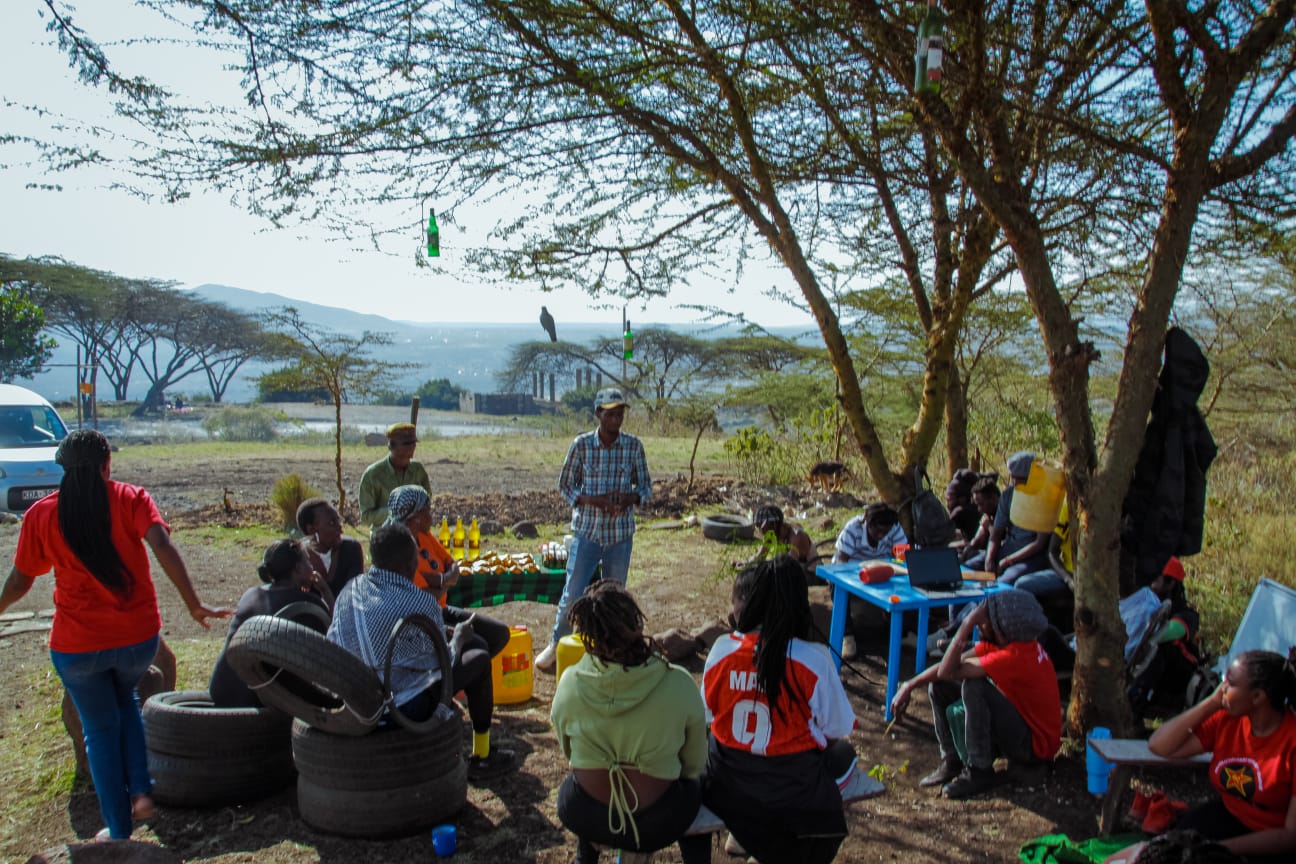
Comrades in a light moment during the introduction session.
INTRODUCTION.
October 14th, 2025, Enćani & Ukombozi Library supported twenty-nine social justice activists from the following justice centers and allied spaces:
Enčani.
Ukombozi Library.
Ngong Social Justice Centre.
Kayole Community Justice Centre.
Revolutionary Socialist League.
Joyful Hearts (mothers of children with cerebral palsy).
Mathare Green Movement.
Rastafari Society of Kenya.
Pussy Power.
Mukuru Social Justice Centre.
Social Justice Centre Travelling Theatre.
Prisoners Free.
Feminists for Peace, Rights and Justice Centre (Kibra).
Mathare Social Justice Centre.
Organic Intellectuals.
Mashujaa Library.
Kenya Left Alliance.
Towers of Hope Ecological Justice.
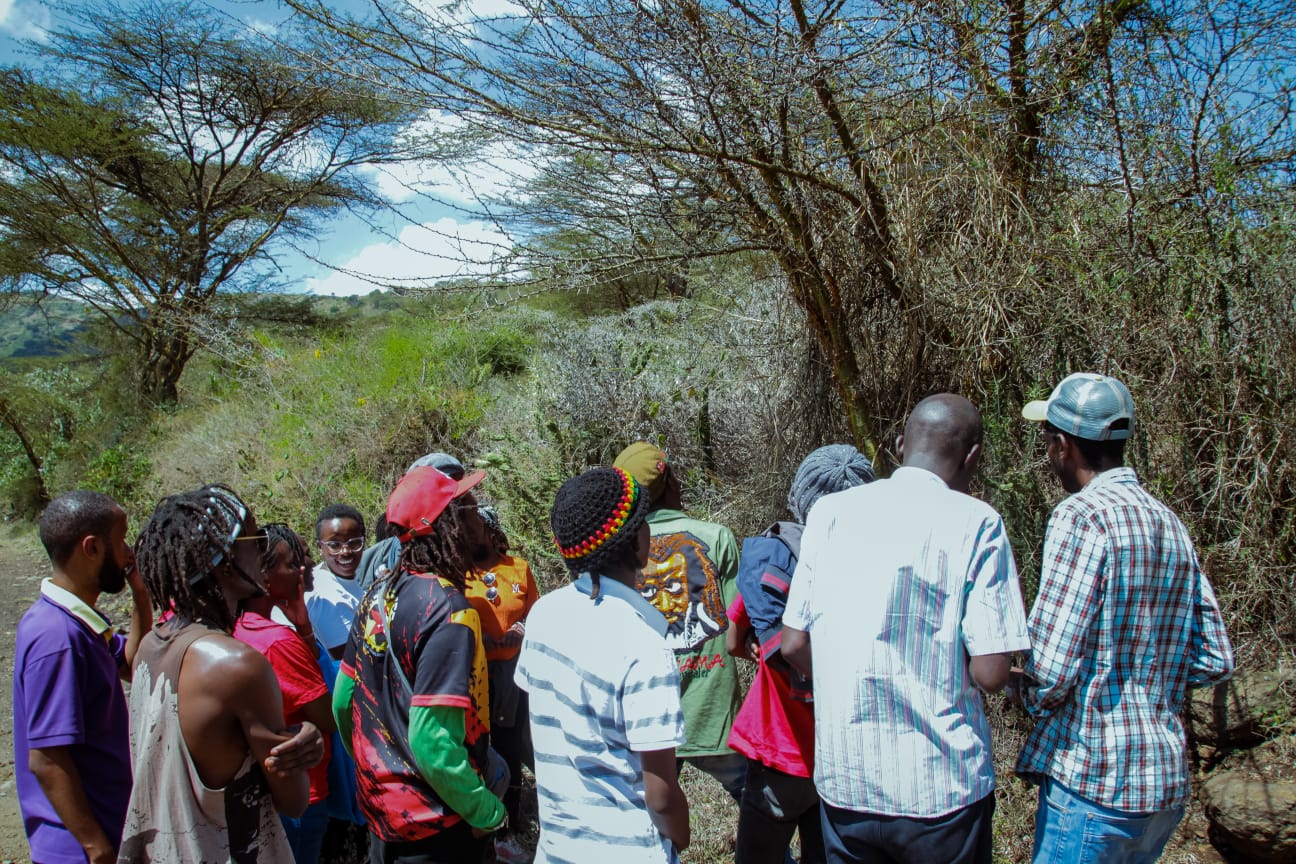
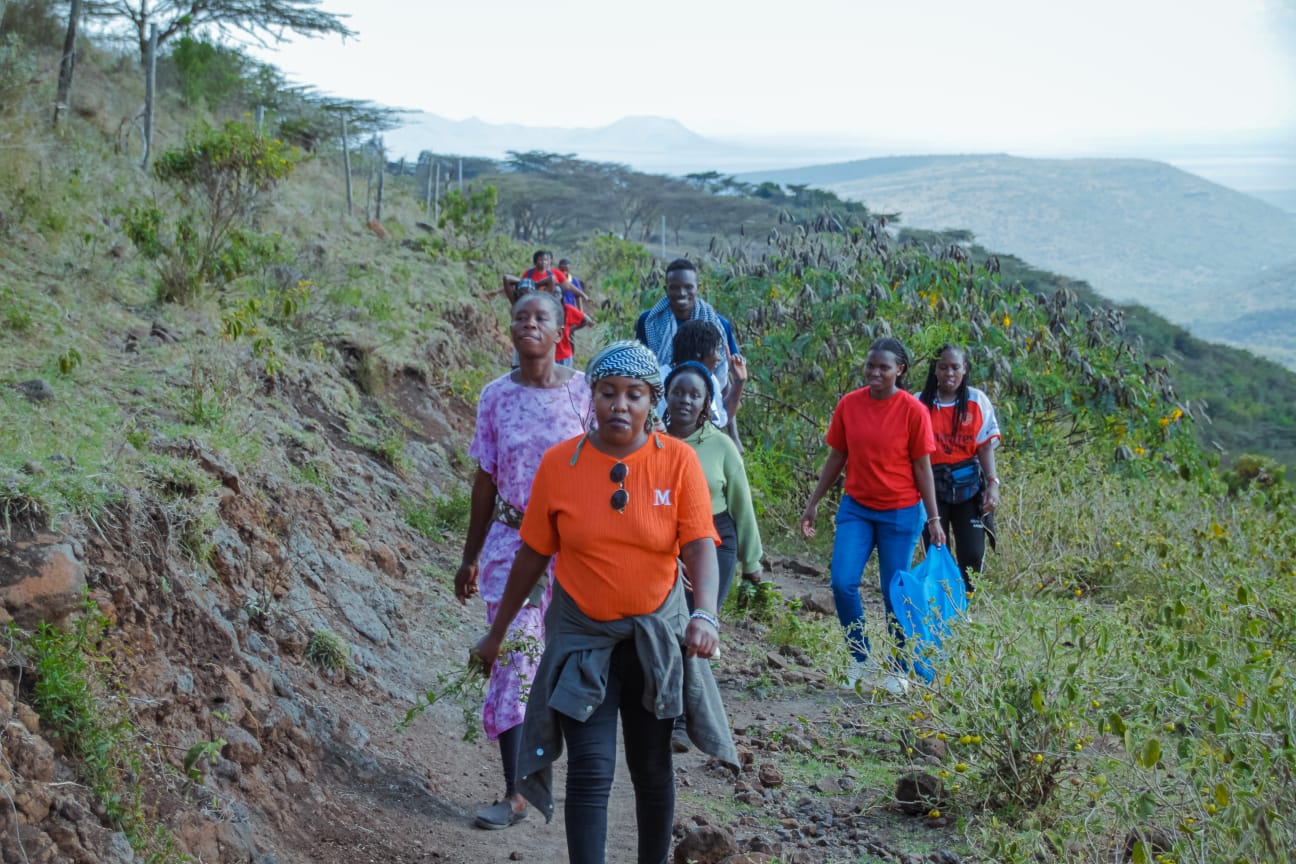
Comrades in a nature trail exploring various herbs and their uses. Kiserian, Kona Baridi.
The session was centered on grounding, reflection, and reconnection with nature, facilitated by Mr. Kaingi, a Herbal Practitioner and Community healer. This was the second session in an ongoing series of the pedagogical program, following the first, held on September 24th, 2025 at the Kenya National Theatre centering on trauma and healing facilitated by Dorphan. As with the rotation principle guiding these sessions, Kaingi was the expert in this forum and will be a student in the next, just as Dorphan was a student in this one. This reflects the collective philosophy that learning is reciprocal and that every activist carries both knowledge and curiosity.
PROGRAMME OVERVIEW.
The day began early, with participants boarding a bus from the KENCOM Stage at Nairobi City Centre to the Corner Baridi area in Ngong. The ride itself became an extension of the session, filled with laughter, anticipation, and informal reflection. Inside the bus, participants shared their experiences as activists and, at times, engaged in singing social justice songs. Since most of them had never been to Corner Baridi, there was a palpable eagerness to reach the activity venue.
Upon arrival, the participants were cordially welcomed by the facilitators and the local community hosts who own and protect the ecological space where the activities took place. The cool wind of Corner Baridi swept across the open hills, carrying with it the scent of native shrubs and freshly turned earth permeating a serene ambience setting stage for the day’s activities. The vast landscape, dotted with acacia trees and the distant sight of grazing livestock, offered a serene and grounding environment; a perfect backdrop for reflection and connection.
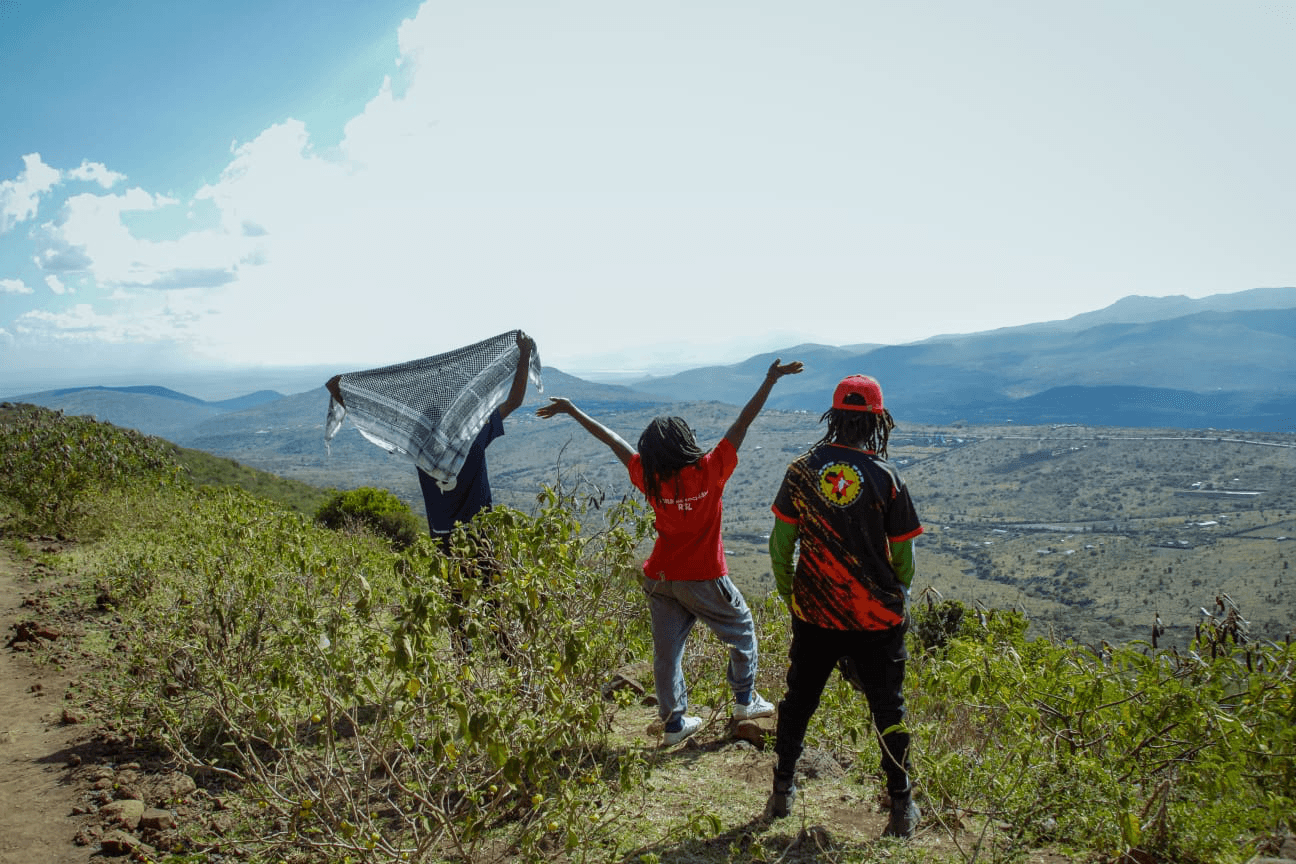
‘Kona Baridi (Cold Corner) near Kiserian, Kenya, is famous as the coldest spot in Kenya, a scenic viewpoint on the Rift Valley escarpment with stunning views, historically a challenging training ground for Maasai athletes due to its steep 27 corners, and a significant cultural spot linked to the Maasai community, especially the legacy of leader Olonana, blending traditional pastoral life with developing commercial and residential areas near Nairobi. A site near Kona Baridi holds historical significance related to the Maasai leader Olonana, where his body was buried, a rare honor in Maa tradition, marked by an Oreteti tree.
After a round of introductions, where participants shared their names and the meanings behind them, the group moved into a collective grounding exercise facilitated by Kaingi. This encouraged reflection on ancestry, identity, and community.
Following this, participants embarked on an ecological walk through the surrounding natural terrain. During the walk, the group learned about indigenous herbs and their healing properties and reflected on the importance of alkaline diets and indigenous food systems as acts of resistance and cultural survival. One participant reflected, “How can learning about these herbs and diets become a tool for community resilience?”
After the walk, participants gathered for a reflective session, sharing insights on how personal healing connects to collective organizing. During the session, one participant noted that that Kaingi had prescribed herb Carissa edulis, which effectively relieved their toothache. Since taking it, they had not experienced any tooth pain, and she encouraged others to consider trying it as well.
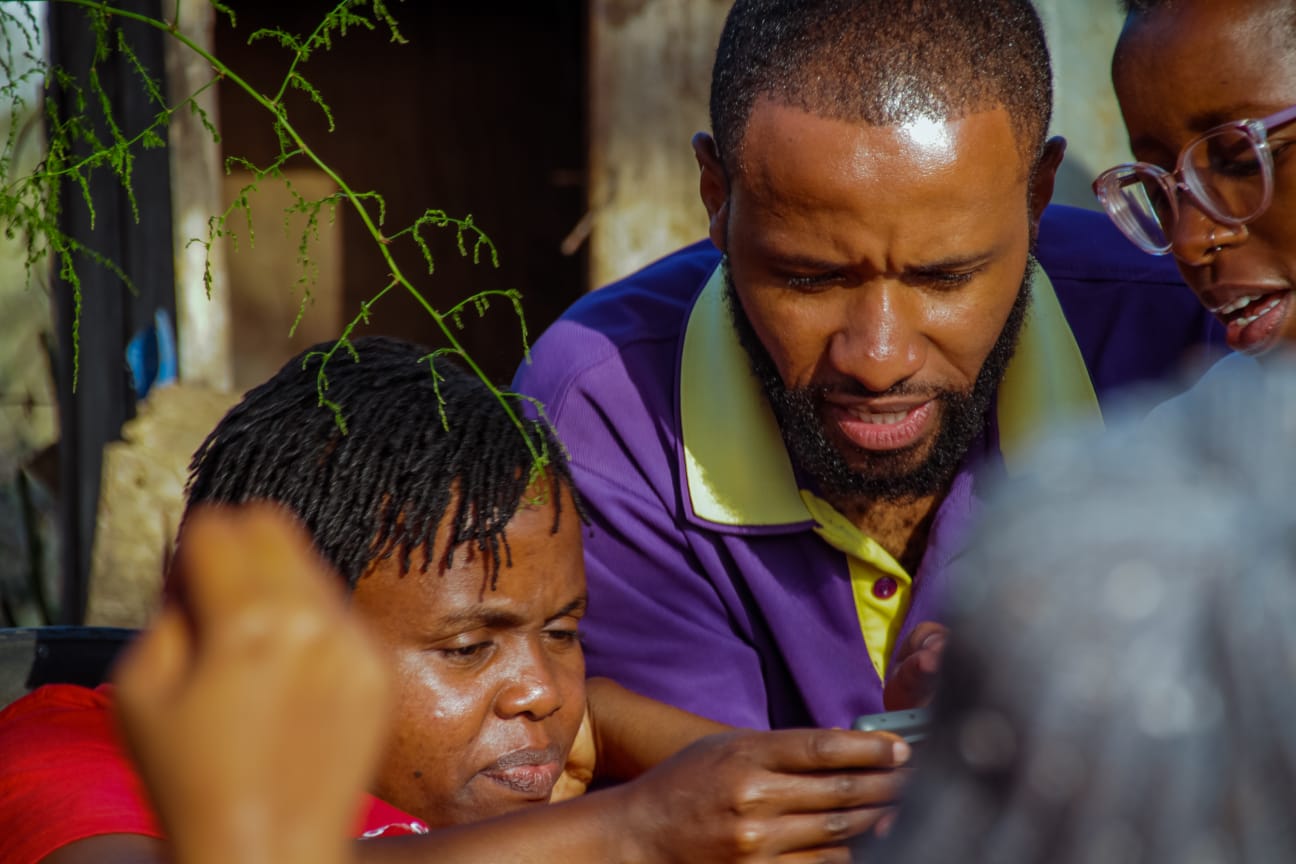
Comrade Kasina and Maghanga in a deliberative moment.
FACILITATION & KEY INSIGHTS.
Facilitator Mr. Kaingi guided participants in exploring alternative and indigenous healing practices. He emphasized that reclaiming indigenous knowledge is both a personal and political act; a way to resist systems that commodify health and disconnect people from their environment.
Healing, he noted, is an act of reclamation, autonomy, and resistance, one that reconnects us to the land, our ancestors, and each other. As he reminded participants, “Losing our food is losing our identity. Eating blindly is accepting toxins as our inheritance.”
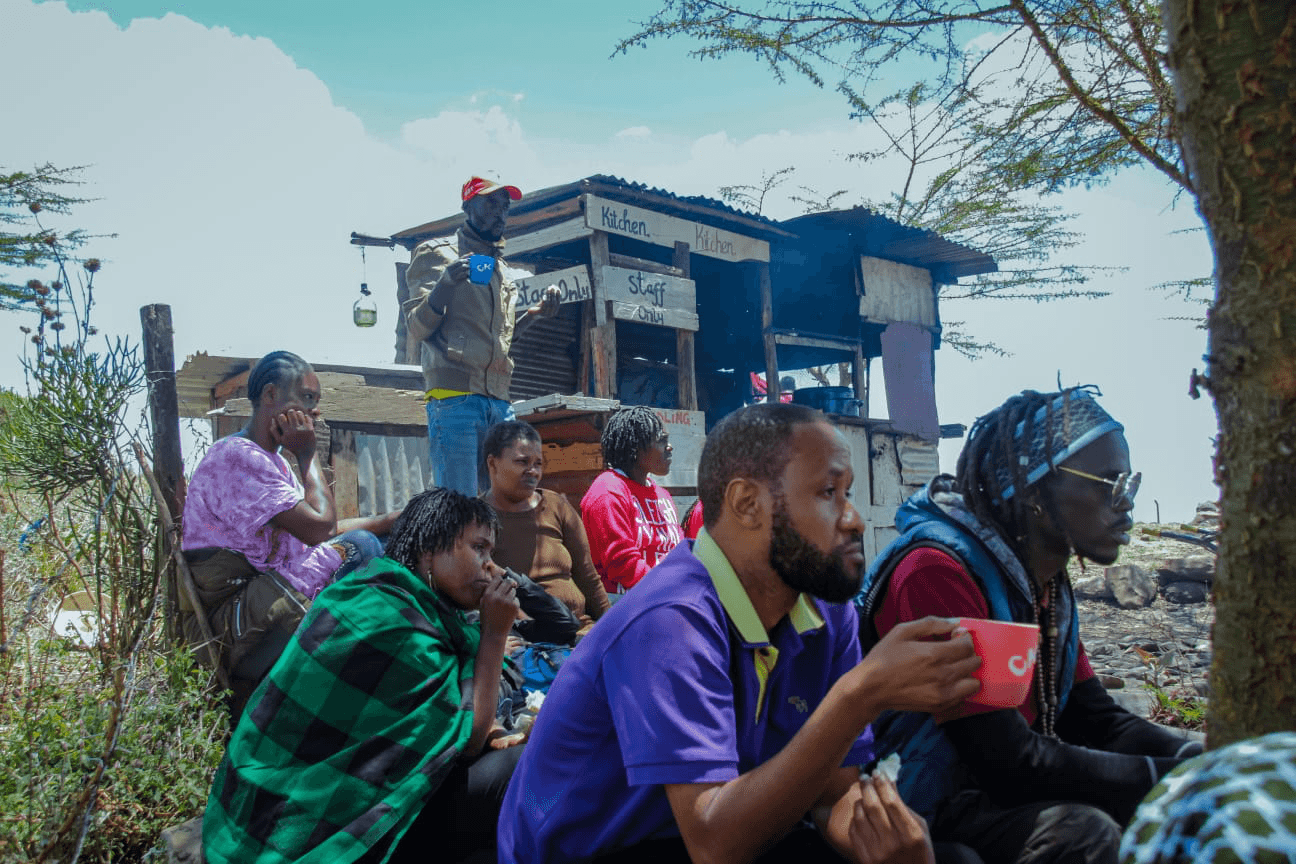
During the reflection circle, participants engaged in an open and heartfelt dialogue on how practices of healing could be woven into the fabric of movement-building. Stories of burnout, resilience, and mutual care surfaced organically, revealing the emotional and physical toll of activism as well as the collective strength that sustains it. In this moment of sharing, Kaingi spoke about his aspiration to publish a book on indigenous plants and a children’s book centered on healing traditions. His words carried both hope and humility as he noted the lack of resources to realize these visions. The group responded with warmth and solidarity, expressing a shared commitment to support his efforts to document and pass on this intergenerational knowledge.
"If nature didn't make it, don't take it," Dr. Sebi.
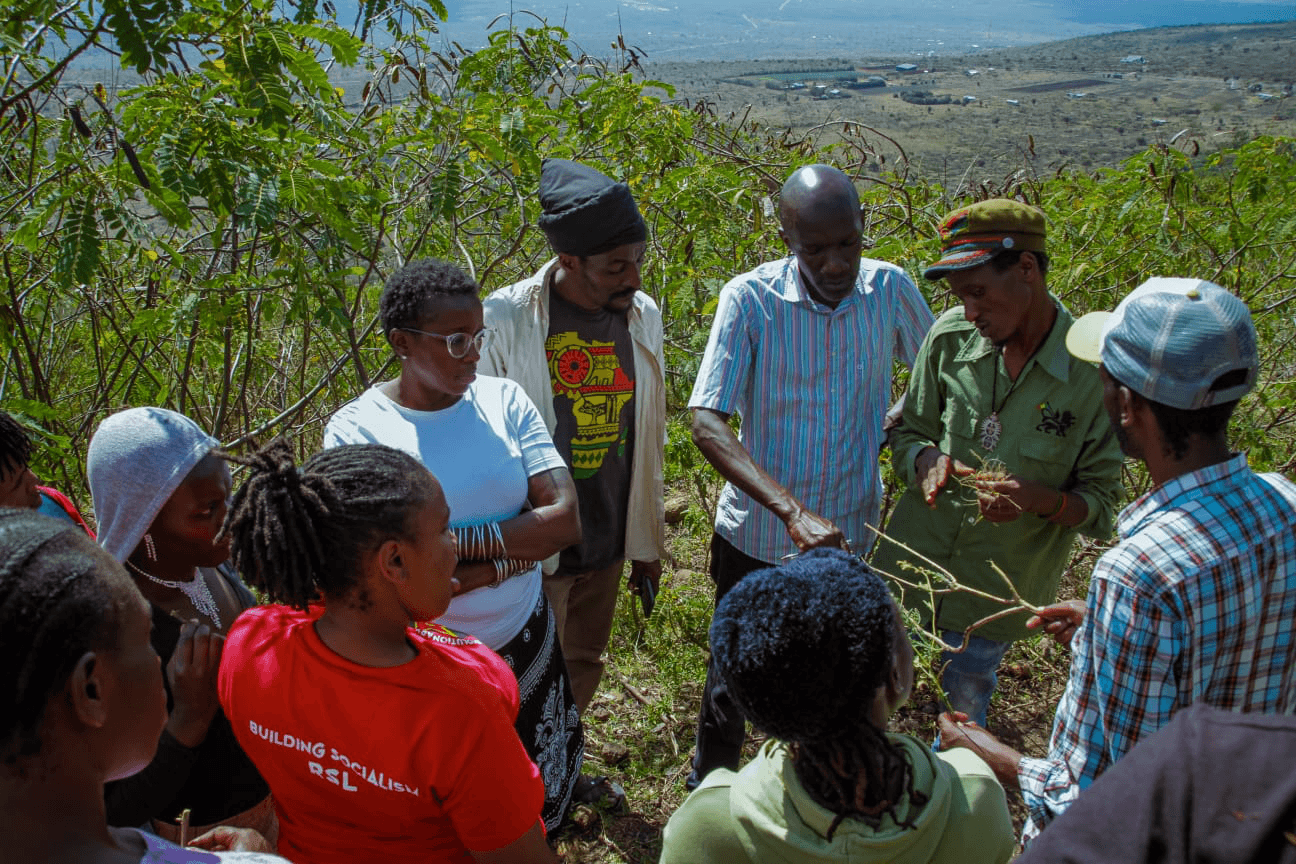
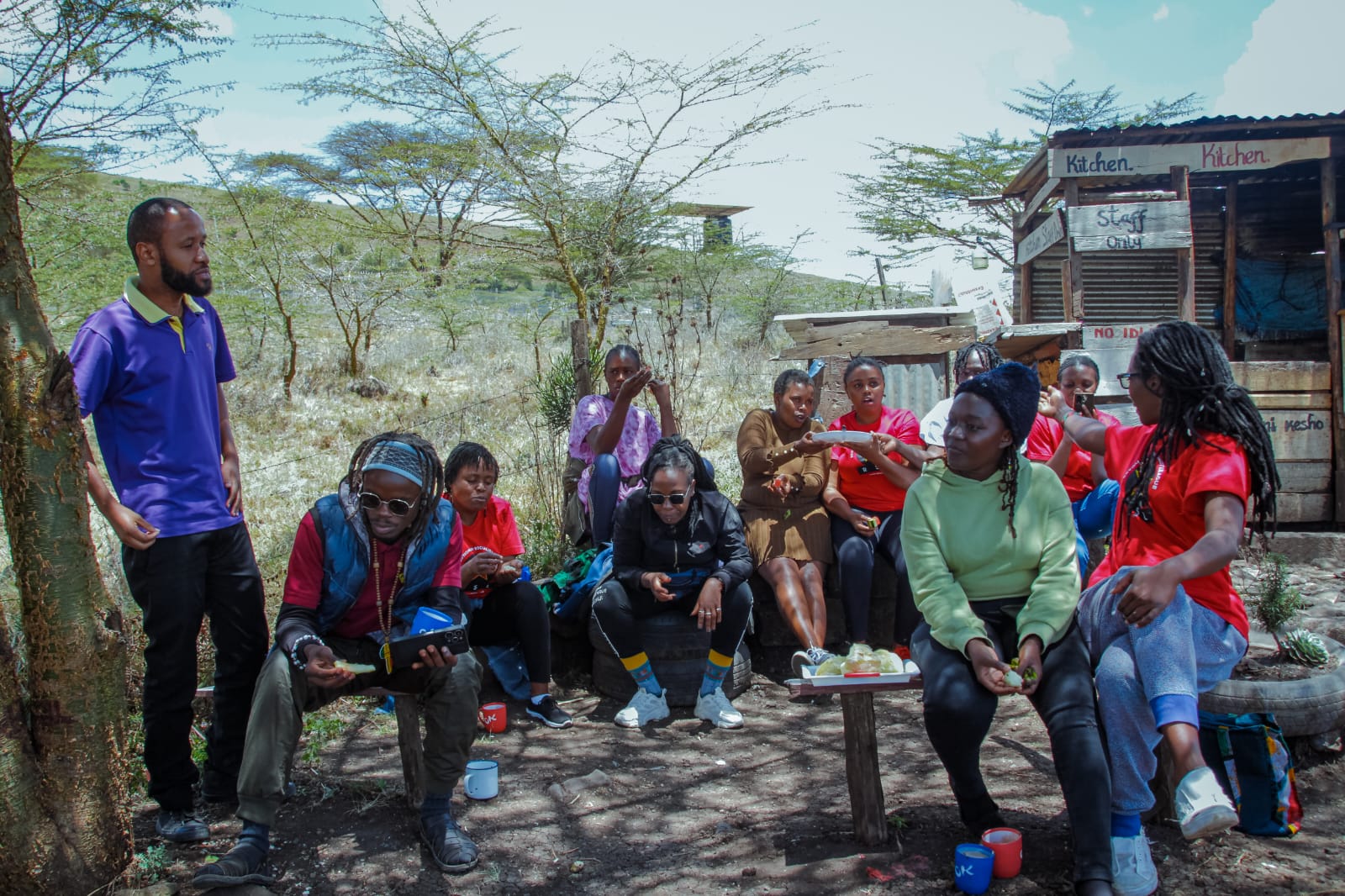
Dr. Kaingi in an interactive session with comrades.
4.1. ALKALINE FOODS: FOOD AS HEALING AND POLITICAL PRAXIS.
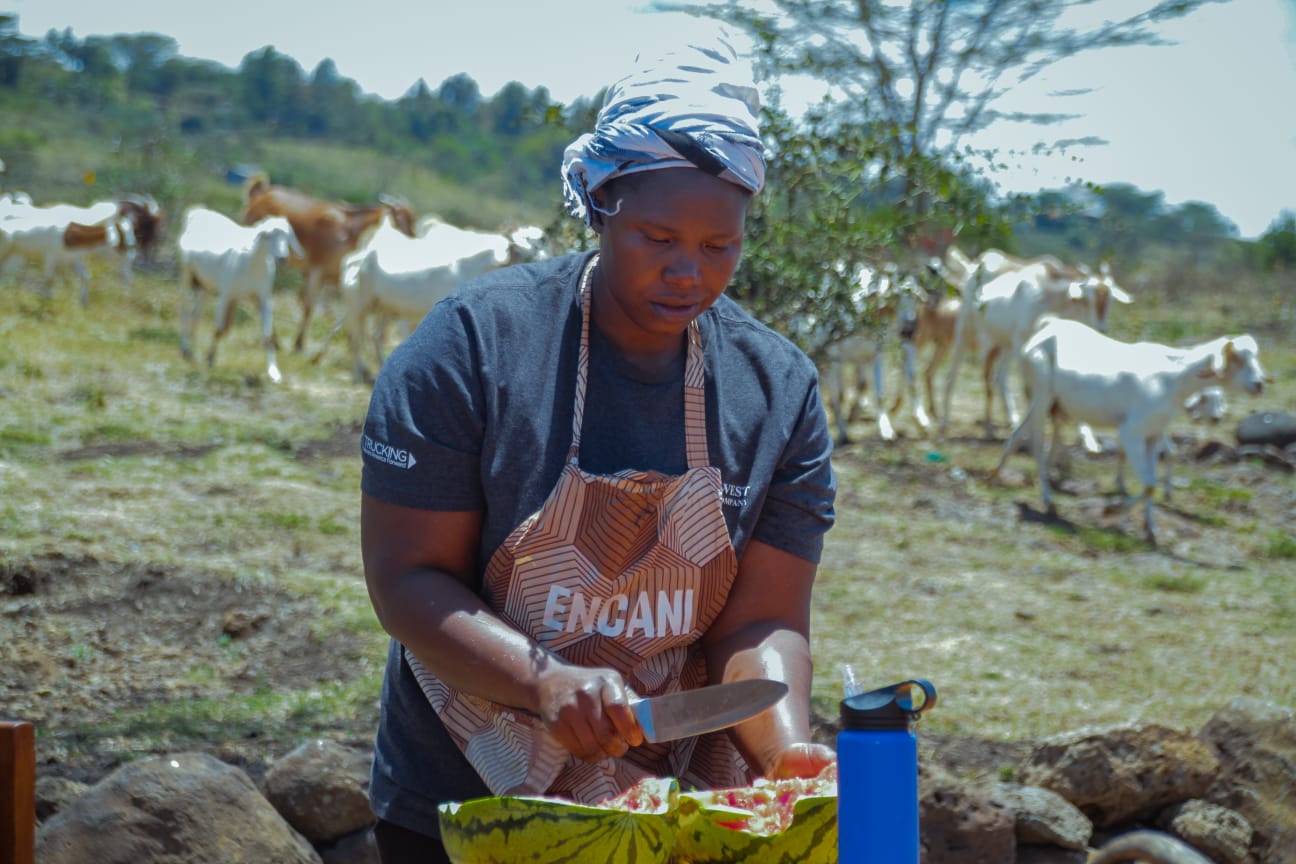
Food formed a core methodological component of the session, understood not as nourishment alone but as a site of political, historical, and epistemic intervention. The alkaline, plant-based meal drew on indigenous food systems as living archives of African knowledge that have been disrupted by colonial agriculture, biomedical hierarchies, and extractive food economies.
The meal centred indigenous foods that many participants had either never encountered or last eaten in early childhood, reflecting the broader processes of erasure that have accompanied colonial modernity. It included mpompo beans (purple indigenous beans), mawele green millet prepared in the manner of rice and indigenous green vegetables such as managu, terere, and sagaa. These foods were presented not as alternatives or supplements but as sovereign systems of sustenance, memory, and bodily regulation.
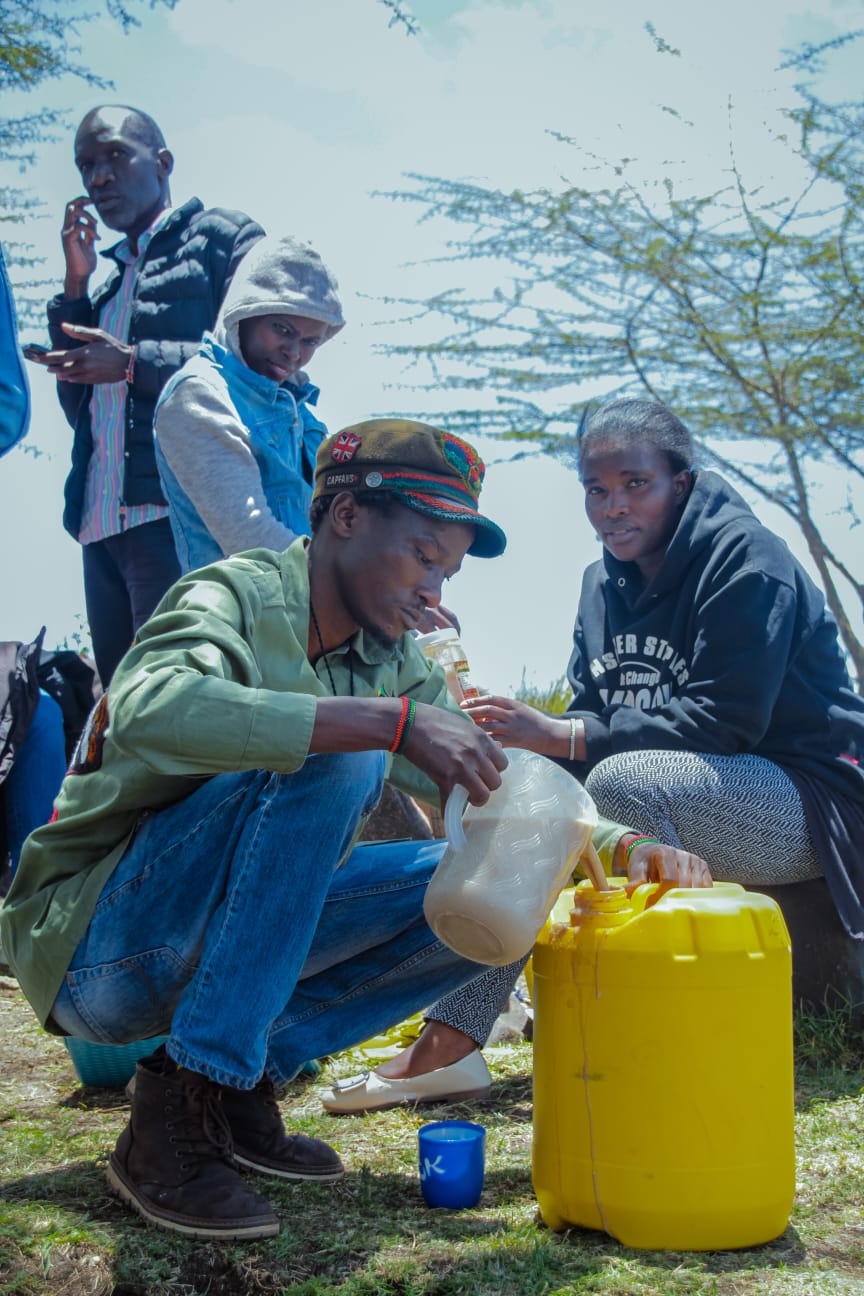
Herbal tea prepared by Kaingi formed part of the healing praxis, using blended formulations including uterine wash and prosta-care compounds, situating reproductive and prostate health within indigenous therapeutic lineages rather than clinical abstraction. Fermented porridge made from stone-ground millet and honey further reinforced fermentation as both nutritional practice and ancestral technology. Fruits were served earlier in the day, in keeping with alkaline food sequencing practices.
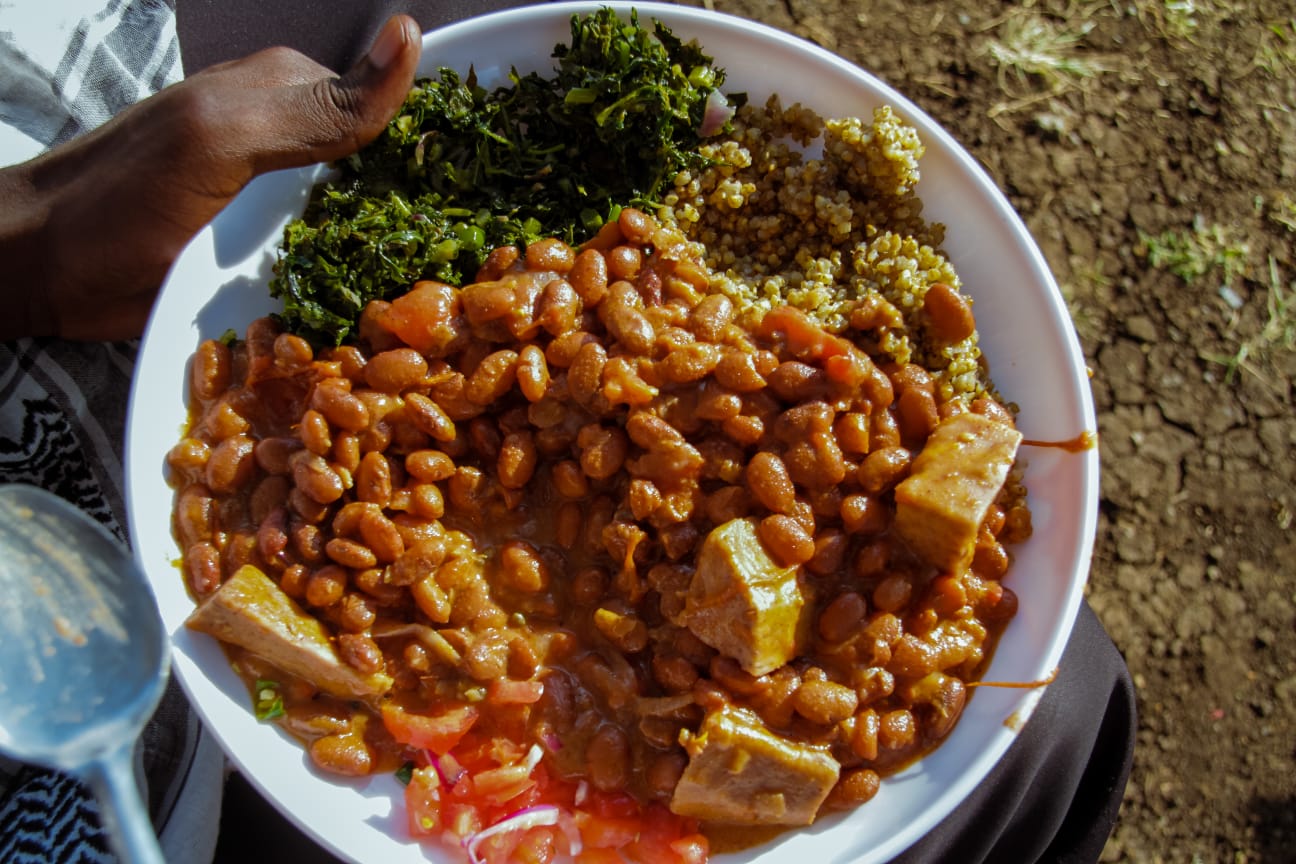
MPOMPO BEANS, COCOA YAM, MANAGU, TERERE, SAGAA & MILLET.
Participants received the food with enthusiasm and curiosity, requesting recipes and information on sourcing indigenous grains. Collectively, it was agreed that this food tradition would continue across future sessions as a political commitment rather than a logistical choice. Subsequent reflections shared within the group noted feelings of satiety and improved digestive flow, underscoring the inseparability of bodily regulation, memory, and collective healing within the ACoHP framework.
4.2. DIAGNOSIS THROUGH DIALOGUE.
METHODOLOGY:
The afternoon session was structured as a collective diagnostic process grounded in dialogue rather than clinical extraction. Participants were invited to write a question for the herbalist on a piece of paper, fold it, and place it into a shared bowl, ensuring anonymity while situating individual concerns within a collective container.
The questions spanned a wide range of health experiences, including toothaches, reproductive concerns, digestive challenges, and chronic or life-threatening illnesses such as cancer. Rather than isolating symptoms, Kaingi approached each question by tracing the underlying causes of imbalance, situating illness within broader bodily, environmental, emotional, and historical contexts.
Over the course of the 1.5-hour session, diagnosis emerged as a dialogic and pedagogical process. Knowledge was shared horizontally, with explanations offered not as prescriptions but as pathways toward understanding root causes and restoring balance. This approach disrupted biomedical hierarchies that individualise and privatise illness, instead affirming healing as relational, contextual, and collective.
The session was widely experienced as powerful and clarifying. Many participants pursued further consultations or followed the guidance offered, extending the dialogic diagnostic process beyond the session itself and into ongoing personal and collective healing practices.
If the building of a bridge does not enrich the awareness of those who work on it, then the bridge ought not to be built.
5. INDIGENOUS HERBS & THEIR HEALING PURPOSES (By Kaingi)
HERB & PLANT NAME. | COMMON NAME. | TRADITIONAL & HEALING USE. | |
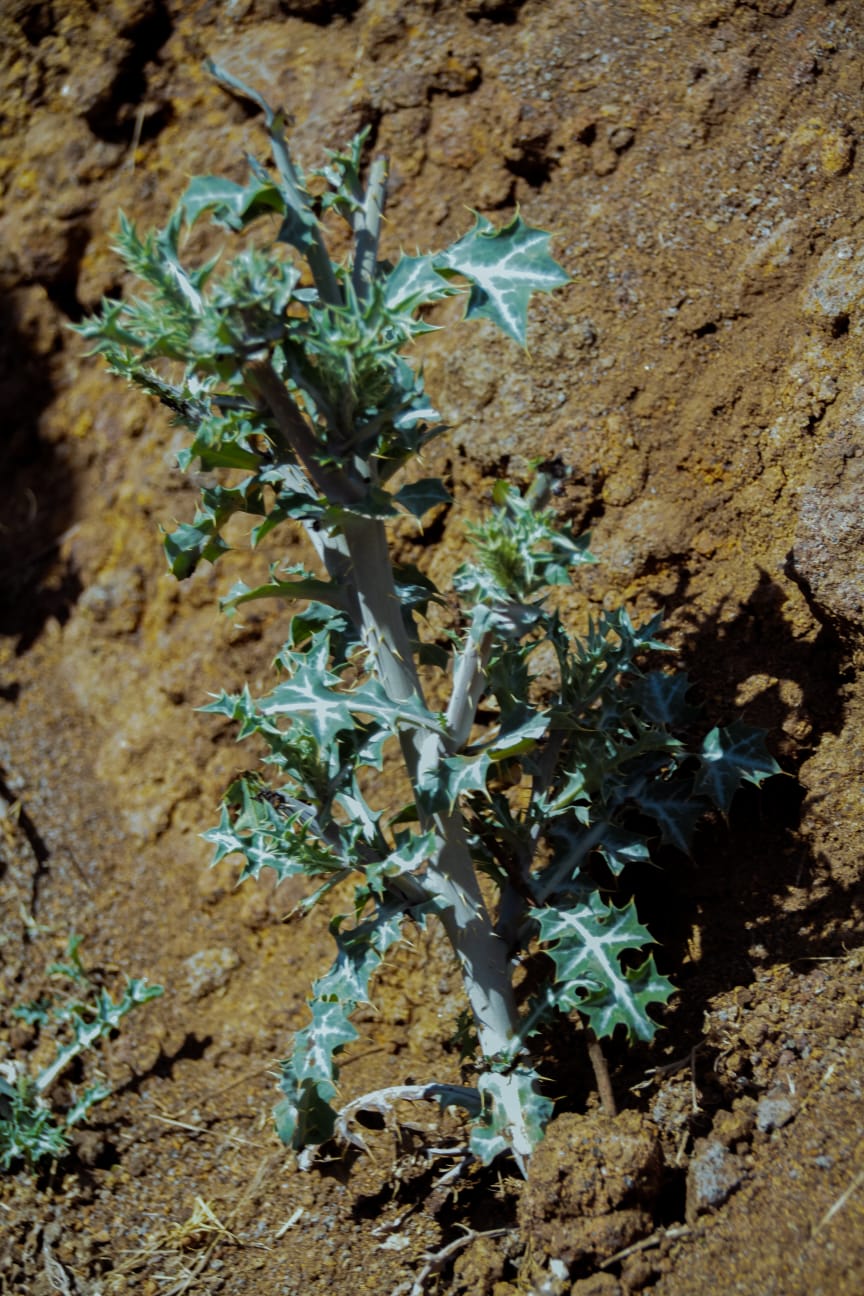
1. | Sodom Apple | - | Used for toothaches, back pain, and joint pain |
2. | Milk Thistle | - | It may be used to help increase breast milk production. |
3. | Sida tennicarpa | - | Used to treat several skin diseases. The leaf or root paste is applied to infected areas to reduce swelling and fight germs. |
4. | Senna didymobotrya | African Senna | Used to treat fungal and bacterial skin infections. It can also be used to treat coughs, colds, and chest congestion |
5. | Wild Dagga | Lion’s Ear | The herb has some anticancer potential, especially in early lab studies |
6. | Scutia myrtina | - | It is sometimes used for treating male reproductive issues, including impotence and erectile dysfunction. |
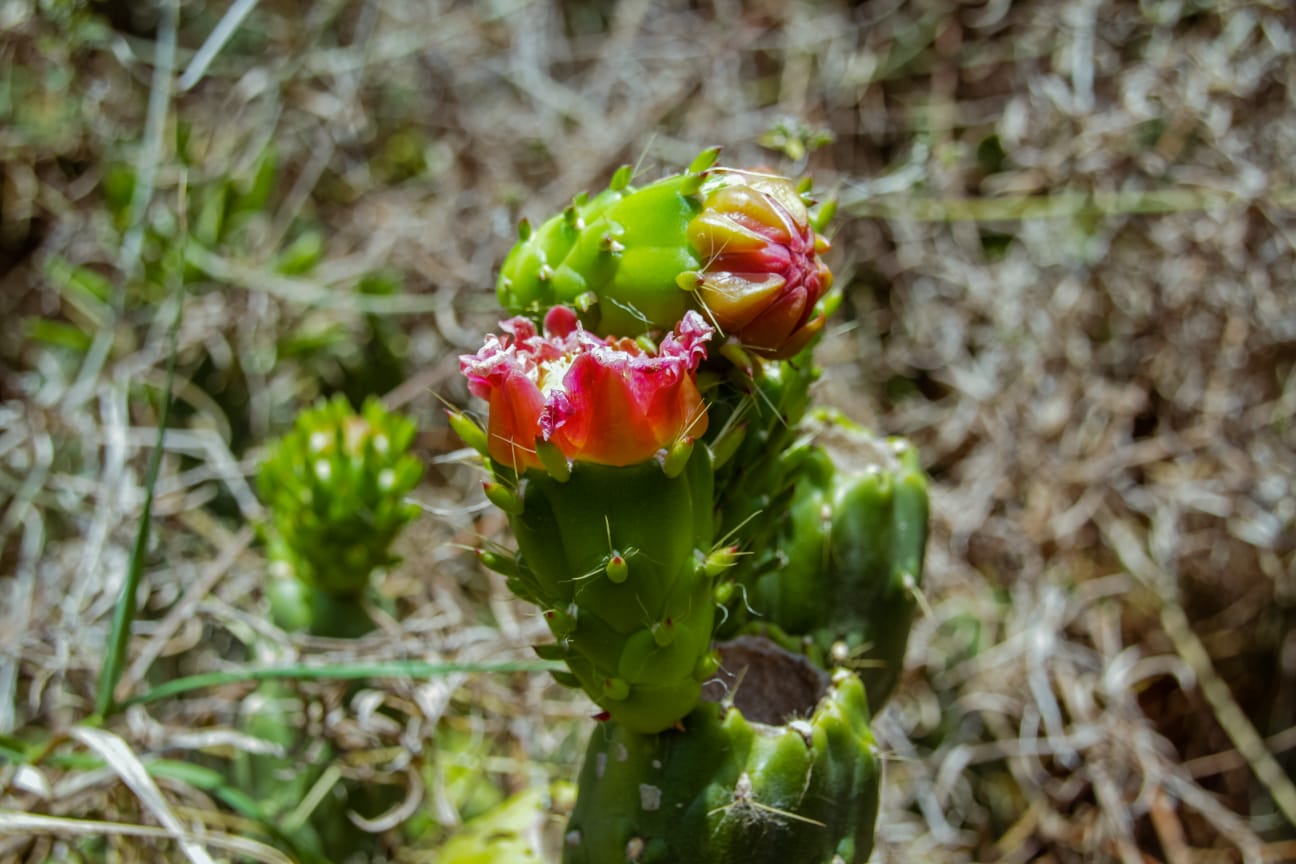
7. | Cactus | - | It helps in hydration and blood sugar regulation. |
8. | Acacia nubica | - | May help relieve difficulties in passing urine and support overall kidney health. Traditionally used to ease urinary problems and support kidney function. |
9. | Rhamnus prinoides | African Holly | Traditionally used as a blood cleanser, helping to “cool” the body and clear toxins |
10. | Succulent Plants | - | Hydrating and soothing skin ailments. |
11. | Acacia drepanolobium | Whistling Thorn | Used as appetite stimuli and for reliving coughs and stomach disorders. |
12. | Nopal | - | Balances metabolism and blood sugar. |
13. | Usman Basil | African Basil | Improves digestion and strengthens immunity. Can also be used as mosquito repellant |
14. | Fever Tea | - | Reduces fever and respiratory issues. |
15. | Mexican Poppy | - | Natural sedative and pain reliever. Can also help in unblocking the chest |
16. | Santa Maria | - | Used for as anti-inflammatory and cleansing. |
17. | Castor Oil Plant | - | Used for detoxification and cleansing. |
18. | Carissa edulis | Simple Spined Num-num | Pain relief, fever reduction, toothache remedy. |
19. | Nuclear Divinorum | - | Can be used in responding to erectile dysfunction |
REFLECTIONS & RECOMMENDATIONS.
Healing as an ongoing act: Healing should remain an integral part of organizing spaces, combining wellness, skill-building, and empowerment.
Education as Empowerment: Support activists to advance education in both formal and vocational fields to strengthen movements.
Economic Solidarity through Cooperatives: Build savings groups and cooperatives to foster economic justice and shared stability.
Institutionalize Healing within Movements: Make healing spaces a recurring and intentional part of movement calendars.
Strengthen Knowledge exchange and Documentation: Document indigenous healing practices for intergenerational learning.
Partnerships for Sustainability: Partner with mental health, wellness, and indigenous knowledge practitioners to scale healing spaces.
Encouraging Family and Community Participation: Acknowledge and support activist couples and families; when resources allow, include children in future sessions.
Community Contribution: The session’s success relied on community effort; from the hosts who prepared the space, to those who helped with food and logistics.
7. CONCLUSION.
The Mental Health and Movement Healing Forum reaffirmed that wellness is central to resistance. Healing is not separate from activism; it is a revolutionary act that strengthens collective power, nurtures solidarity, and restores dignity.
Guided by Mr. Kaingi and supported by PALIAct Ukombozi Library, activists reconnected with ancestral knowledge and celebrated the wisdom that reminds us that “we carry hospitals within us.”
This session, like the one before it demonstrated that sustainable activism begins with collective care. As movements continue to resist oppression, this practice of healing will remain the fertile ground upon which lasting justice is built.
As one participant aptly expressed, “We need to support activists to continue their education and to form cooperatives so that our movements grow wiser, stronger, and more self-reliant.”
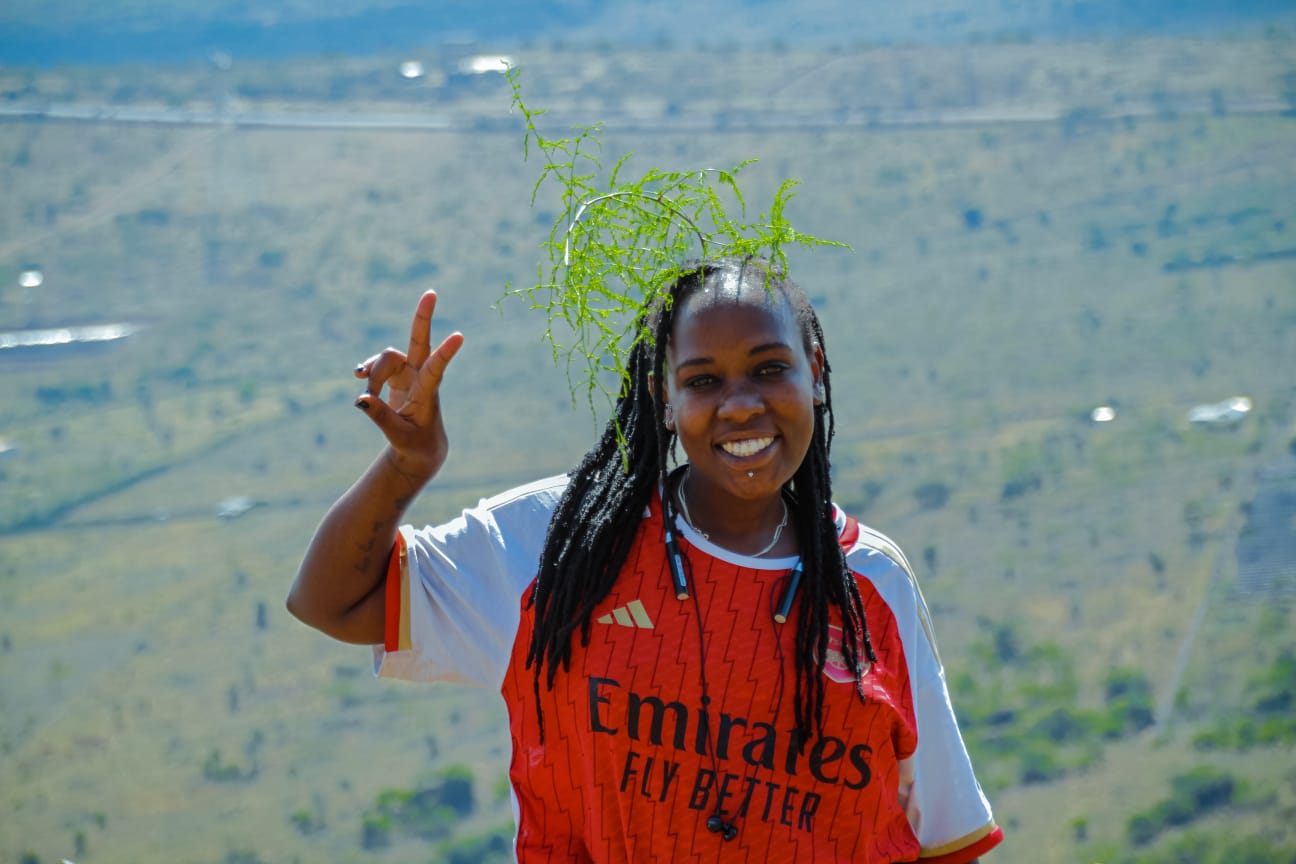
Comrade Minoo Kyaa- Kona Baridi, Kiserian.
News, Voices & Impact
Explore updates, field notes, and stories that showcase our mission and impact.